Getting older comes with its own set of challenges, and for me, one of those challenges has been my eyesight. For years, I managed without glasses, but eventually, I realized I needed some help, especially when reading and working on the computer. It's been a journey of trial and error, and I'm excited to share what I've learned along the way. I hope my experiences can help you navigate the world of glasses with a little more ease.
Like many, I started with progressive lenses. I remember thinking they'd be the perfect solution – one pair of glasses for everything! I’d heard good things, so I was optimistic. After using progressive lenses for a while, I found that while they were okay for some things, they weren’t ideal for computer work. I was spending hours staring at a screen, and my eyes were constantly strained. I started experiencing headaches and fatigue. I knew something had to change.
One of the first things I did was visit my optometrist. I explained the problems I was having, and they suggested that it might take some getting used to. They said that learning where to look through the lenses was key. I tried to be patient, focusing on adjusting my head position so I was looking through the correct part of the lens for reading. I had to tilt my head up slightly to see clearly through the bottom portion. It felt a bit weird at first, but I persevered, hoping it would eventually feel natural.
However, even after a couple of weeks, I still wasn’t comfortable. I went back to the doctor, explaining that I still had trouble reading comfortably. It was frustrating because I wanted the progressive lenses to work, but they just weren't meeting my needs. It felt like I was constantly fighting my own vision. At one point, I even considered going back to my old readers, which had always worked well for close-up tasks.
Eventually, I realized that progressive lenses weren't the best solution for me, especially for reading and computer work. I needed something more specialized. I decided to try a pair of single-vision reading glasses specifically for those tasks. This made a world of difference! I found that having glasses designed for a specific distance helped reduce eye strain and made it easier to focus for longer periods.
I also learned that not all eye doctors are created equal. I had a bad experience where the glasses technician simply eyeballed the placement of the progressive line. The glasses were terrible! It's important to find an optometrist who takes the time to properly measure and position the lenses for optimal comfort and vision. I found a new ophthalmologist who spent significantly more time on how and where to place the progressive line, and that made a huge difference in the quality of my glasses.
With all the time I was spending on the computer, I started to worry about the effects of blue light on my eyes. I had heard that blue light could cause eye strain, headaches, and even disrupt sleep. I began looking for glasses that offered blue light protection. I found that blue light filtering glasses helped reduce eye strain and made it easier to work on the computer for extended periods. It was a small change that made a big difference.
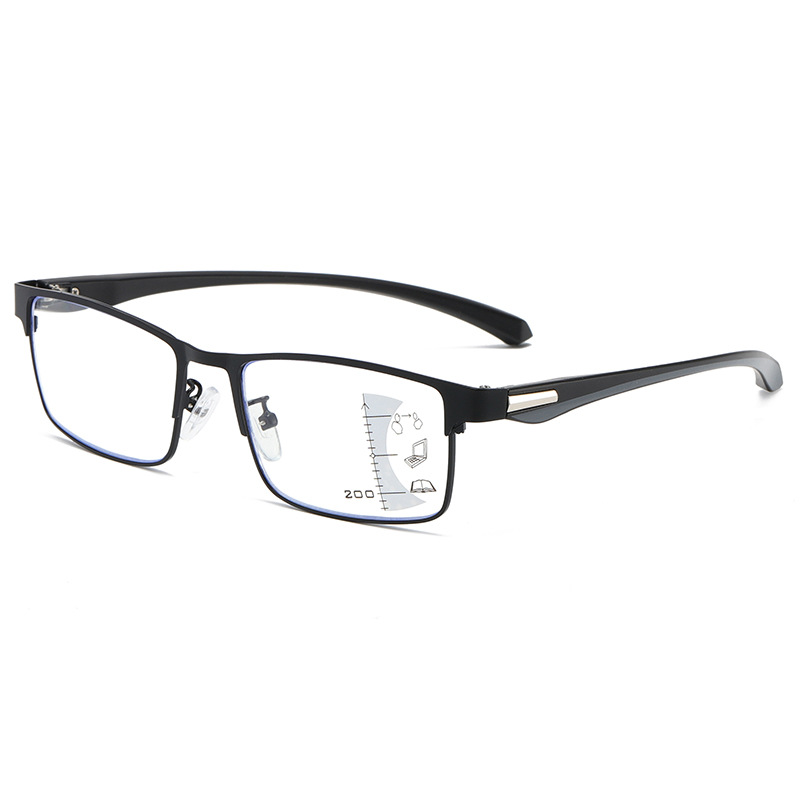
During my search, I came across www.mozaer.com and discovered the +1.0 To +4.0 Men's Reading Glasses Dual Use of Distance and Distance Anti Blue Light Multifocal Anti Fatigue Presbyopic Glasses. I was intrigued by the idea of having glasses that could be used for both distance and reading, with the added benefit of blue light protection. I decided to give them a try. These glasses from Mozaer were a game-changer. They are comfortable, stylish, and provide excellent vision for both reading and computer work. The anti-blue light feature is an added bonus that helps reduce eye strain. I highly recommend these if you're looking for a versatile and effective pair of reading glasses. These multifocal glasses have become my go-to for everyday use.
Adjusting to new glasses can take time and patience. Here are some tips I've learned along the way: