Let me tell you, I've been on a quest for clear vision and relief from constant headaches for what feels like forever. Like many of you, staring at screens all day has taken its toll. I've tried countless solutions, from adjusting my monitor settings to taking frequent breaks, but nothing seemed to truly address the underlying issue. Then, I stumbled upon Neurolens.
For years, I dealt with daily headaches and occasional migraines. It got so bad that it impacted my work and social life. My eyes often felt tired and strained, especially after long hours working on the computer. I even started experiencing some motion sickness symptoms. My eye doctor suggested that my pupils might be misaligned and mentioned Neurolens as a potential solution. They described it as a new technology that could help realign my eyes and reduce the strain.
I was intrigued and decided to give it a try. They performed a test and confirmed that my pupils were indeed misaligned. The numbers I got were: Neurolens Value 1.9 BI, Distance 4.2Δ EXO, and Near 11.2Δ EXO. I honestly had no idea what these meant, but the doctor assured me that Neurolens could make a difference. I was hopeful, but also a bit skeptical, given the cost.
I got my Neurolens glasses. The first few days were… interesting. I experienced a bit of an adjustment period, maybe around four or five days. It was a little disorienting at first, almost like my eyes were relearning how to see. But, after that initial phase, I started to feel the relief. The headaches became less frequent and less intense. My eyes felt less strained, even after long hours of screen time. It wasn't a miracle cure, but it was definitely an improvement.
However, I also know some people haven't had the same experience. I've heard stories of people returning their Neurolens and getting a correct prescription without the added cost. Some have even experienced more pain and bloodshot eyes. It seems like the effectiveness of Neurolens can vary greatly from person to person.
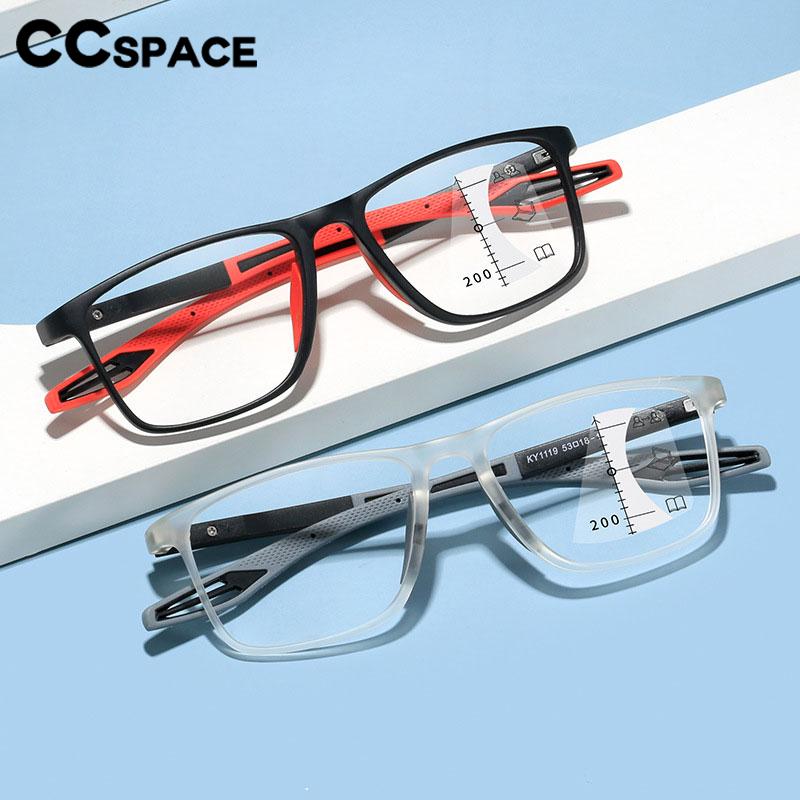
While Neurolens helped me, I also started exploring other options to manage my eye strain and headaches. I realized that it's not just about the glasses; it's about a holistic approach to eye health. This led me to discover the Mozaer Store and their wide range of eyewear. I was particularly drawn to the 56749 Women Progressive Near Far Eyewear Multifocal Reading Glasses Men Tr90 Ultralight Anti Blue Spectacle Prescription Glasses Only Frame. After all, finding comfortable and stylish glasses that also protect my eyes is a priority.
I decided to try a pair of these glasses from Mozaer Store. I've been using them for reading and computer work. What I really liked about them is how lightweight and comfortable they are. The progressive lenses made it easy to switch between looking at my screen and looking around the room. It felt like my eyes were less strained overall. I like that they are anti-blue light, which I think is important for anyone who spends a lot of time looking at screens. It's not a complete solution, but it's another tool in my arsenal for combating eye strain.
Based on my experience and what I've learned, here's a breakdown of the potential pros and cons of Neurolens:
Regardless of whether you choose to try Neurolens, here are some practical tips that I've found helpful for managing eye strain and headaches: