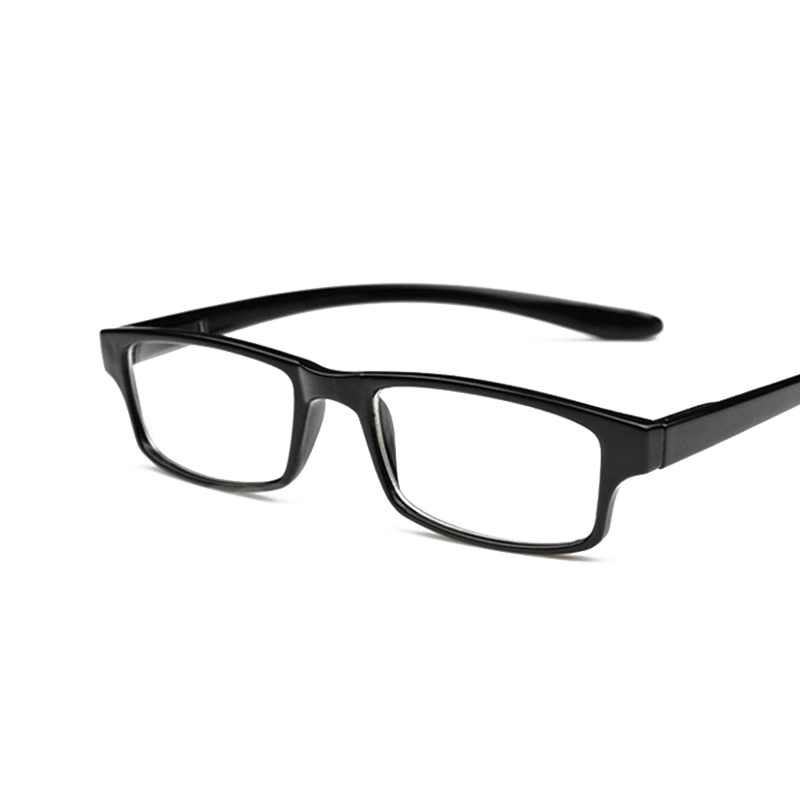
I needed reading glasses and assumed they were all essentially the same. I couldn't have been more mistaken. My transition from purchasing the cheapest option to investing in a premium pair was gradual, but it completely transformed my reading experience and how my head felt by the end of the day.
If you wear men's reader sunglasses daily, quality is non-negotiable. Inexpensive glasses can strain your eyes and end up being a waste of money. Here's how I learned that lesson firsthand.
My first stop was the discount rack. Why spend more? This phase was purely about finding the lowest price, averaging around $20 per pair.
The Experience:
My initial pair cost $20 and lasted about three weeks. The tiny screws holding the arms would constantly come loose. If I bent over, they'd slide right off my face. The cheap material meant I was tightening the arms every other day.
Verdict: Extremely cheap glasses are a temporary fix. They might save you money for a month but cost you in time and frustration later. They're simply not suitable for daily use.
After breaking two $20 pairs, I realized I needed to spend a bit more. I moved into the $40 range, hoping for better durability. I found glasses marketed as "standard quality."
The Upgrade:
I upgraded to $40 glasses. They were... acceptable. They lasted a few months. However, they still felt heavy on my nose after an hour of reading, pressing uncomfortably at the bridge. The arms were stiff, making them unsuitable for long work sessions.
Important note: Mid-range glasses often sacrifice comfort features. They typically use standard plastic or metal, which adds unnecessary weight. Always check the weight specifications before buying.